
Trademark Classes in India: How to Pick the Right Class for Your Business
Understand India’s 45 trademark classes, learn how to choose the right class for your brand, and avoid costly filing mistakes before you apply.
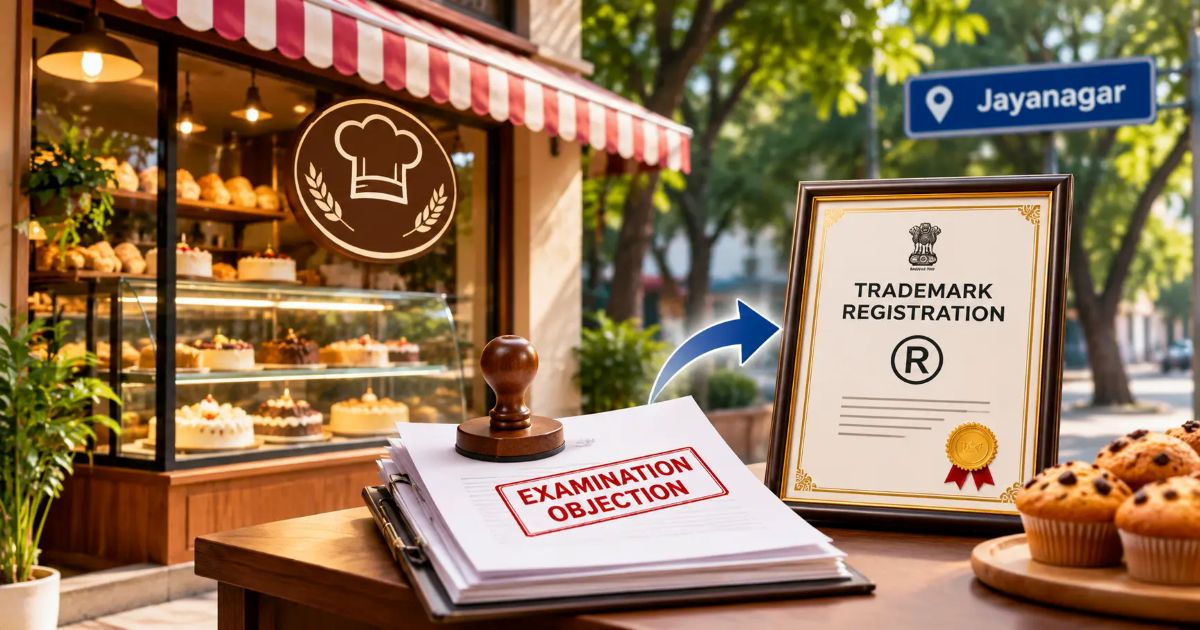
Suppose the bakery runs three outlets, sells cakes, breads and cookies under one name, and plans a fourth outlet and later franchises. By then its name and logo are business assets. Trademark registration in India gives the registered owner the exclusive right to use the mark for the goods or services it covers under the Trade Marks Act, 1999. Without it, the owner must rely on passing off, which means proving reputation first. For a growing bakery, registration offers several practical benefits:
• Name and logo protection: both can be protected, and each can be filed separately.
• One identity everywhere: the same protected brand across every outlet, box and delivery listing.
• Defence against look-alikes: a registered mark makes it easier to act against confusingly similar names.
• Franchise readiness: a registered mark can be licensed cleanly.
• Brand value: a registered mark is an asset that supports expansion.
Indian trademark law is national, so these protections are not limited to Jayanagar or Bengaluru. Filing before a launch or expansion is usually wiser than filing after a dispute, a point covered in our guide on why you should file your trademark before you launch.
Before any objection, there is the application, and the bakery's first decisions shape everything after it.
The route starts with choosing a distinctive name, searching the register and identifying the right classes. The application is then filed online on Form TM-A through the IP India e-filing portal. Filing produces an application number and a filing date, but that is not registration. A mark is registered only after examination, advertisement, the opposition window and the Registrar's final registration.
Searching comes first. The public trademark search facility shows marks that are already registered or pending, and a bakery should check its name against similar-sounding marks, not only exact matches. A trademark registration check online of this kind is far cheaper than discovering a conflict in an examination report.
Class selection also needs thought. Bakery products such as bread and pastries generally fall in Class 30, café and restaurant services in Class 43, and retail store services in Class 35, while some packaged food items may fall in Class 29. A bakery chain should not assume one class is enough; the right set depends on what it actually sells and plans to sell. Our guide to trademark classes in India explains how to choose. MAM Biz Solutions' Trademark Registration Services cover the search, class selection and Form TM-A filing, the stages where early mistakes tend to create later objections.
After filing, the Registrar examines the application and communicates any objection in an examination report (Rule 33, Trade Marks Rules, 2017). Imagine the bakery's report raises one. These are the grounds that commonly arise for food businesses:
• Section 9 (absolute grounds): a mark lacking distinctiveness, a purely descriptive name such as one that simply describes bread or fresh bakes, common expressions in the trade, or misleading and otherwise prohibited matter.
• Section 11 (relative grounds): similarity to a registered mark, or to an earlier pending application, for the same or similar goods or services.
• Other office objections: incorrect or incomplete application details, or a goods description that does not fit the class.
In short, Section 9 asks whether the mark can work as a trademark at all, while Section 11 asks whether it clashes with someone else's earlier rights. An objection under either section does not mean the application has been rejected. It means the Registry wants a response.
A trademark objection reply is the applicant's written response to the examination report. It must address the grounds raised and arrive on time. The bakery could work through it in six steps.
Read every ground and note which sections and which earlier marks, if any, are cited. Missing one objection can undermine an otherwise strong reply.
Decide whether the objection concerns distinctiveness, similarity to another mark, classification or a formality. Each calls for a different response.
The right evidence depends on the objection. For a bakery it may include:
• The application details and the examination report
• The brand name and logo as filed
• Business registration documents, where relevant
• Dated invoices and packaging samples showing actual use
• Advertising and promotional material
• Website and social media evidence
Evidence of use matters most where the bakery argues that its name has become distinctive over time.
Answer each objection individually rather than sending a generic note. Depending on the facts, the reply may argue distinctiveness, explain differences between the marks and the goods, or rely on actual use with supporting evidence. MAM Biz Solutions lists replying to examination reports and objections among its trademark services, which can help owners who have no in-house legal support.
Under Rule 33(4), the reply is due within one month from the date the applicant receives the examination report. If the applicant does not respond, the Registrar may treat the application as abandoned. Do not assume an extension will be available.
Keep checking the status after the reply is filed. No written reply is guaranteed to resolve an objection, and a hearing may follow.
Once the reply is filed, the Registry considers it. Under Rule 33, the possible stages are:
• Acceptance: if the Registrar is satisfied, the application is accepted and advertised in the Trade Marks Journal (Rule 33(5)).
• Hearing: if the reply is not satisfactory, or the applicant requests it, the Registrar gives an opportunity of hearing (Rule 33(6)). Failing to appear, with no reply on record, can lead to abandonment (Rule 33(7)).
• Order: after the reply or hearing, the Registrar passes an appropriate order (Rule 33(8)), which may accept the mark, accept it with conditions, or refuse it.
Acceptance is not registration. After advertisement, any person may file a notice of opposition within three months, extendable by up to one month in aggregate (Section 21(1)). If a notice is filed, the applicant must file a counter-statement, generally within two months. If there is no opposition, or the opposition fails, the mark is registered and the certificate issued under Section 23. Four terms are easy to confuse:
|
Term |
What it means |
Who and when |
|
Examination objection |
Registry concern under Section 9 or 11, recorded in the examination report |
Registrar, before advertisement |
|
Acceptance |
Registrar is satisfied and the mark is advertised in the Trade Marks Journal |
Registrar, after examination |
|
Opposition |
A challenge to an advertised mark |
Third party, after advertisement |
|
Registration |
Mark entered on the register and certificate issued |
Registrar, after the above steps |
Here is the bakery's full journey in order. The trademark registration process step by step is the same for any Indian business, whether a café, a retailer or a startup.
|
# |
Stage |
What happens |
Why it matters |
|
1 |
Trademark availability search |
Check the register for identical and similar marks |
Reduces the risk of later objections |
|
2 |
Select the class |
Match classes to the goods and services actually offered |
Decides what the registration protects |
|
3 |
Prepare applicant details |
Applicant name, address, constitution, mark and description |
Errors can trigger objections |
|
4 |
File Form TM-A |
Online application, with a fee for each class |
Fixes the filing date |
|
5 |
Receive application number |
Issued on filing |
Not registration; needed for tracking |
|
6 |
Track examination |
Watch for the examination report |
The one-month reply period starts on receipt |
|
7 |
Reply to objections |
Answer each ground with arguments and evidence |
Keeps the application alive |
|
8 |
Attend a hearing, if required |
Held if the reply is unsatisfactory or a hearing is requested |
A chance to present the case |
|
9 |
Acceptance and advertisement |
Mark published in the Trade Marks Journal |
Opens the opposition window |
|
10 |
Address opposition, if any |
Notice of opposition, then counter-statement and evidence |
Third parties can challenge the mark |
|
11 |
Registration |
Certificate issued once statutory requirements are met |
Rights are recognised; term is ten years |
Tracking is how the bakery would learn that an examination report had been issued, since the one-month clock runs from receipt. IP India's trademark pages include a Track Application Status facility and a public search for finding marks by name.
A trademark application status check with the application number generally works like this:
1. Open the IP India trademark application status page.
2. Choose the option for an application or registered mark and enter the application number where asked.
3. Complete any verification the portal requests, such as a one-time password or CAPTCHA.
4. Open the result and note the current status and recent entries.
Menu labels and verification steps change from time to time, so follow the on-screen prompts rather than an older screenshot guide. The number issued at filing is the key to a trademark status check with application number; if it is lost, search the mark by name first. Look for status wording that points to an examination report or objection, a hearing, acceptance, advertisement or registration. IP India also publishes hearing cause lists, and advertised marks appear in the Trade Marks Journal. Tracking an application until registration is one of the services MAM Biz Solutions lists on its trademark page.
• Choosing a highly descriptive name. Prefer a distinctive, coined or suggestive name.
• Skipping the search. Check identical and similar marks before filing.
• Picking the wrong class. Match classes to real goods and services.
• Filing incorrect applicant information. Check names and constitution against business records.
• Ignoring the report or replying generically. Answer every ground with specifics and evidence.
• Missing the deadline or filing thin evidence. Diarise the date of receipt and collect dated invoices, packaging and advertising early.
• Not monitoring status. Check regularly, especially after filing and after any reply.
• Assuming an application number means registration, or that acceptance guarantees it. Neither is true; opposition can still follow.
The bakery's path applies well beyond bakeries. Restaurants, cafés, food brands, retail stores, clothing labels, startups, franchisors, service providers, manufacturers and online sellers all build value in a name. Each should assess protection against its actual goods and services, since classes differ: a café may look at Classes 30 and 43, a clothing label at Class 25, and a software startup at Classes 9, 35 and 42.
The applicant's legal form matters too, because a mark should be filed in the name of the true brand owner. Businesses still choosing a structure can read about company registration and LLP registration. Where a brand is valuable or the class choice is not obvious, professional assistance is worth considering. Our guide to trademark registration in Bangalore covers the local filing journey in more detail.
MAM Biz Solutions is a registration and compliance firm in Bengaluru serving businesses across India. Its Trade Mark Registration page lists five services that map onto the bakery's journey: a trademark search for similar existing marks, choosing the right class, filing the application on Form TM-A, replying to examination reports and objections, and tracking the application until registration. Applicants are asked for details such as the applicant's name, address and PAN, the logo file if a logo is being filed, a description of the goods or services, and the date of first use where relevant.
No provider can promise a particular outcome, because the decision rests with the Registry. What good assistance offers is accurate filing, a reply that addresses each ground, and timely follow-up. Businesses can contact MAM Biz Solutions to discuss their brand and classes.
• Register a distinctive name early, ideally before launch or expansion.
• Search the register before applying.
• Choose classes that match what the business really sells.
• Treat an examination report as a deadline, not a verdict.
• Reply to each ground with relevant, dated evidence.
• Track the application status regularly.
• Respond within one month of receiving the report.
• Remember that acceptance is not registration; opposition may follow.
A trademark protects what customers already trust, and trademark registration in India rewards early action. For official references, see IP India's Trade Marks Act and Trade Marks Rules pages.
This article is general information, not legal advice. Confirm the current Act, Rules and IP India notices, or speak to a qualified professional, before acting on a specific application.
Search the register, choose the right classes and file Form TM-A online with the Trade Marks Registry. The application then goes through examination, advertisement in the Trade Marks Journal and the opposition period before registration. MAM Biz Solutions' Trade Mark Registration service covers the search, class selection and filing stages.
It is a concern the Registry records in the examination report, for example a lack of distinctiveness (Section 9) or similarity to an earlier mark (Section 11). It is not a refusal, and it is different from a third-party opposition, which can only follow advertisement in the Trade Marks Journal.
Read the report, identify each ground, gather evidence such as invoices, packaging and advertising, and answer every ground specifically. File within one month of receiving the report (Rule 33(4)). MAM Biz Solutions lists replying to examination reports and objections among its trademark services; you can contact the team to discuss your report.
There is no fixed period. MAM Biz Solutions' service page says registration usually takes several months to a year or more when there are no objections or oppositions. An objection reply, a hearing or an opposition adds time.
Open IP India's Track Application Status page, choose the option for an application or registered mark and enter the application number. Complete any verification the portal asks for. Check regularly, because the one-month reply period runs from receipt of an examination report.
Use the number issued when Form TM-A was filed, enter it on the IP India status page and follow the prompts. If you do not have it, find the mark by name on the public search facility, note its application number and then run the status check.
The Registry considers the reply. It may accept the application and advertise it, call a hearing, or pass an order that accepts, conditionally accepts or refuses the mark (Rule 33). Acceptance is followed by the opposition window, not by instant registration.
Yes, if the reply or hearing satisfies the Registrar. The application can then be accepted, advertised and, if there is no successful opposition, registered. No reply can guarantee that outcome.
Understand India’s 45 trademark classes, learn how to choose the right class for your brand, and avoid costly filing mistakes before you apply.
A practical guide to trademark registration in Bangalore covering search, TM-A filing, legal requirements, examination, opposition and renewal for businesses.
Spending on branding before securing your name is a risk. Here is why filing early matters.